
Choosing the best time to visit Val d’Orcia
The best time to visit Val d’Orcia for outdoor sightseeing is generally spring or early autumn, using Siena's climate averages as a regional guide. Those seasons are milder than high summer in that reference series. Choose your dates around the activities that matter most, whether cycling, photography, town visits or a reserved wine tasting.
Val d’Orcia weather varies between hill and valley settings, so keep the daily forecast separate from seasonal planning. A climate average helps compare months; choose clothing for the actual conditions and treat field colours as part of a changing agricultural landscape. Allow room to adjust outdoor plans rather than building an entire visit around one expected scene.
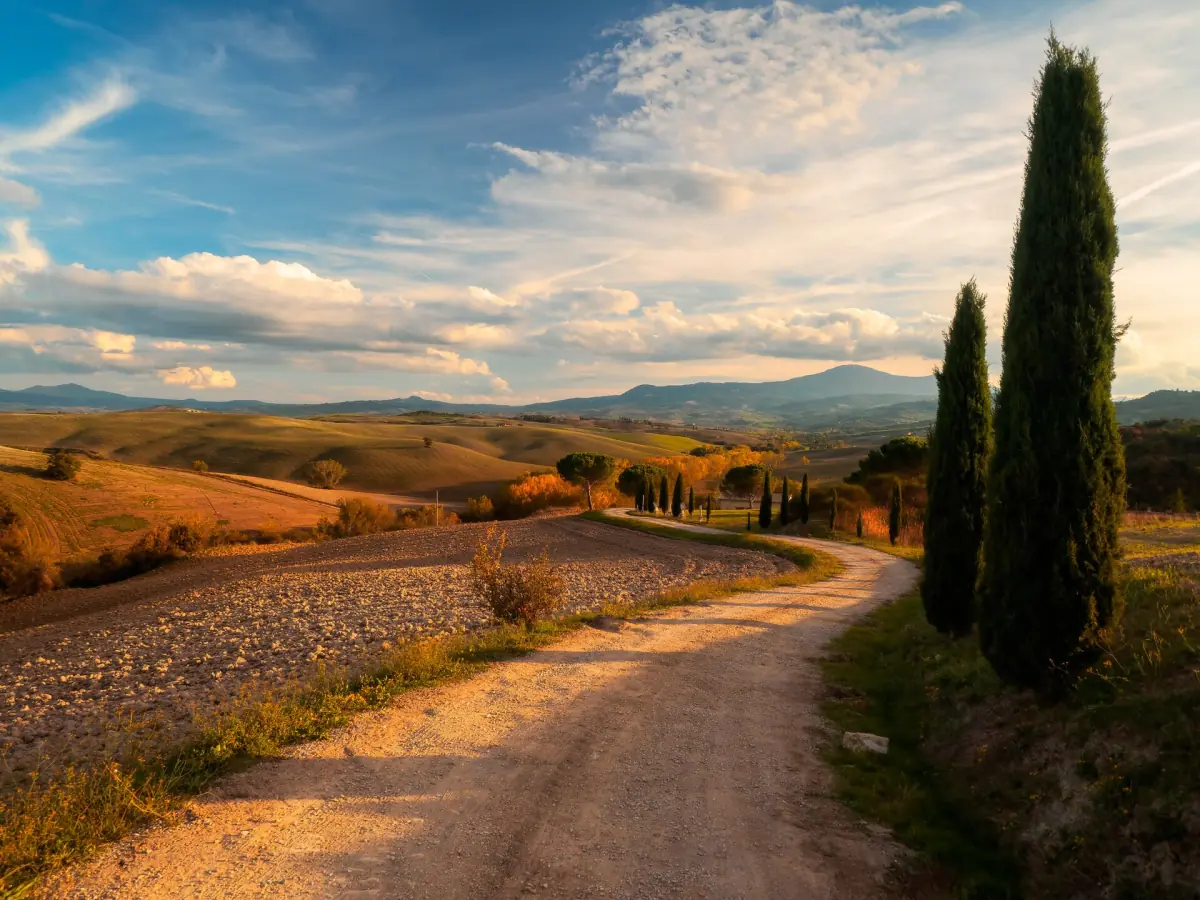
Siena climate normals for 1991 to 2020
Siena's LaMMA climate normals provide monthly averages for a regional comparison, with May's average daily maximum at 22.7 °C and September's at 25.0 °C. These figures describe the Siena station and the 1991 to 2020 period. They are neither local Val d’Orcia measurements nor a forecast for your travel dates.
| Month | Average daily maximum | Average daily minimum | Average monthly rainfall |
|---|---|---|---|
| April | 18.1 °C | 7.9 °C | 71 mm |
| May | 22.7 °C | 11.6 °C | 70 mm |
| July | 30.5 °C | 17.7 °C | 29 mm |
| September | 25.0 °C | 14.4 °C | 81 mm |
| October | 19.8 °C | 11.1 °C | 106 mm |
| November | 14.2 °C | 7.2 °C | 125 mm |
Spring and early autumn for outdoor plans
Val d’Orcia visits in spring and early autumn fit a plan with outdoor town walks and landscape stops, based on the milder Siena reference. Treat this as a practical seasonal comparison rather than a promise of dry days. A flexible sequence of town visits and outdoor activities gives you more ways to respond to the actual conditions.
Pienza provides an architectural focus alongside the landscape, while wine experiences can give a day a fixed appointment. Use the Pienza guide to choose visits and the accommodation guide to decide which base suits the itinerary. Select dates for the overall balance you want, rather than for a guaranteed crop stage or flowering period.
Photograph the landscape
The photography tour selects locations according to the season and light.
Hand-picked tours, booked through GetYourGuide. Prices are indicative starting prices in euros (as of November 2026). Tap a tour for live availability and the current price in your currency.
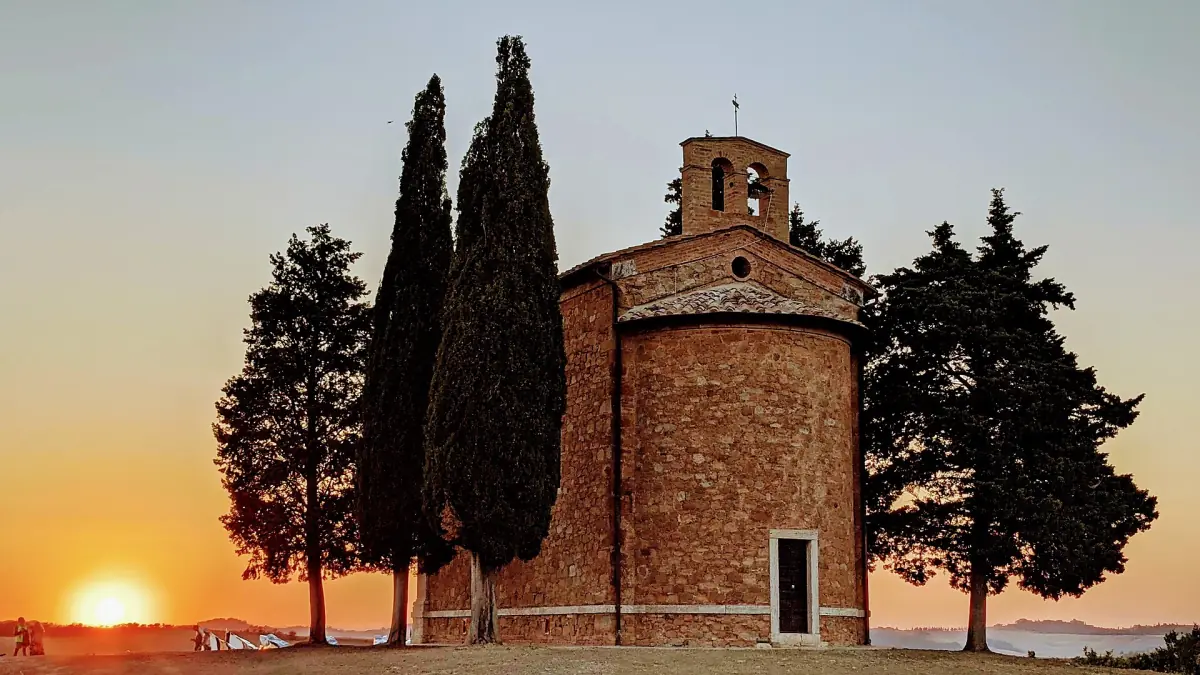
Photograph the valley with professional guidance
A photographer-led outing adapts locations to season and light, with help on composition, camera settings and natural light.
Heat, cycling and photography
Val d’Orcia summer activities need a heat-aware schedule: Siena's July average daily maximum is 30.5 °C, rising to 30.7 °C in August in the 1991 to 2020 series. During high heat, Italian Civil Protection advises avoiding the hottest hours from 11:00 to 18:00, reducing physical exertion and drinking enough water. Use the daily conditions to decide how much outdoor activity to attempt.
For a Val d’Orcia cycle outing, consider the day's heat alongside the route and meeting point. Photography also deserves its own plan rather than being squeezed into a strenuous outing. The guided photography experience starts in Pienza, lasts 3 hours and includes a professional photographer, personalised technique and composition advice, help with camera settings and guidance on natural light.
Photography locations are selected for the season and lighting conditions. Build your expectations around learning and responding to the landscape, rather than a particular sunset or a named private field. Vitaleta is privately owned and events can affect interior visits; landscape photographs do not grant permission to cross farmland. The valley overview puts the photographic sights in context.
Rainier months and winter opening calendars
Siena's October and November rainfall normals are 106 mm and 125 mm respectively, making these rainier months in the regional reference. Use the daily forecast alongside those monthly totals when deciding which day to spend outside. Leave flexibility for outdoor plans and look at the actual visit calendar of each monument when arranging a winter itinerary.
Montalcino fortress has a published operating period from 2 November 2026 to 10 January 2027, with hours of 10:30 to 18:00, closure on 25 December and last admission 30 minutes before closing. That dated schedule belongs to the fortress. Pienza's Palazzo Piccolomini publishes seasonal closures in a calendar without a stated year, so use its current calendar for a particular visit rather than extending the fortress schedule to other sites.
Bagno Vignoni offers a historic thermal-village setting, but a seasonal visit still needs a distinction between sightseeing and bathing. Bathing is not possible in the historic square basin. Arrange any accommodation-based thermal experience through its specific access terms, and use the Bagno Vignoni guide for the village context.
Wine tastings by appointment
Montalcino wine tastings work as reserved appointments rather than an assumed walk-in addition to any seasonal itinerary. One producer's published visiting arrangements, consulted in November 2026, give weekday hours of 10:00 to 16:00 and weekend visits by appointment at least 48 hours ahead. These are that producer's arrangements, rather than valley-wide opening hours.
Choose a particular wine-tasting experience and arrange transport around its appointment. Keep harvest expectations separate from the booking: the date of your visit should follow the experience you want, rather than a fixed annual picking date. Indoor visits also have individual calendars, so match each reservation to your actual dates.
Questions about seasons in Val d’Orcia
Which months suit outdoor sightseeing?
Spring and early autumn suit an outdoor-focused Val d’Orcia itinerary when judged against the milder Siena climate reference. May and September offer a useful comparison with high summer, but actual weather varies. Choose your town visits and activities first, then leave flexibility to respond to the daily forecast during your stay.
What do the climate figures describe?
Siena's figures describe monthly climate normals for 1991 to 2020, including average daily maximum and minimum temperatures and average monthly rainfall. They provide regional context for Val d’Orcia planning. Different elevations and valley locations can have different conditions, so use a current forecast for decisions about a particular day.
How does the photography outing handle seasonal light?
The Val d’Orcia photography outing selects locations according to the season and lighting conditions. A professional photographer helps with technique, composition, camera settings and natural light during the 3-hour experience from Pienza. Plan around that guidance and the conditions on the day rather than expecting a specific sunset or access to private fields.